

If you are detained by the Canada Border Services Agency (CBSA), Canadian immigration law requires the detention to be reviewed by the Immigration Division of
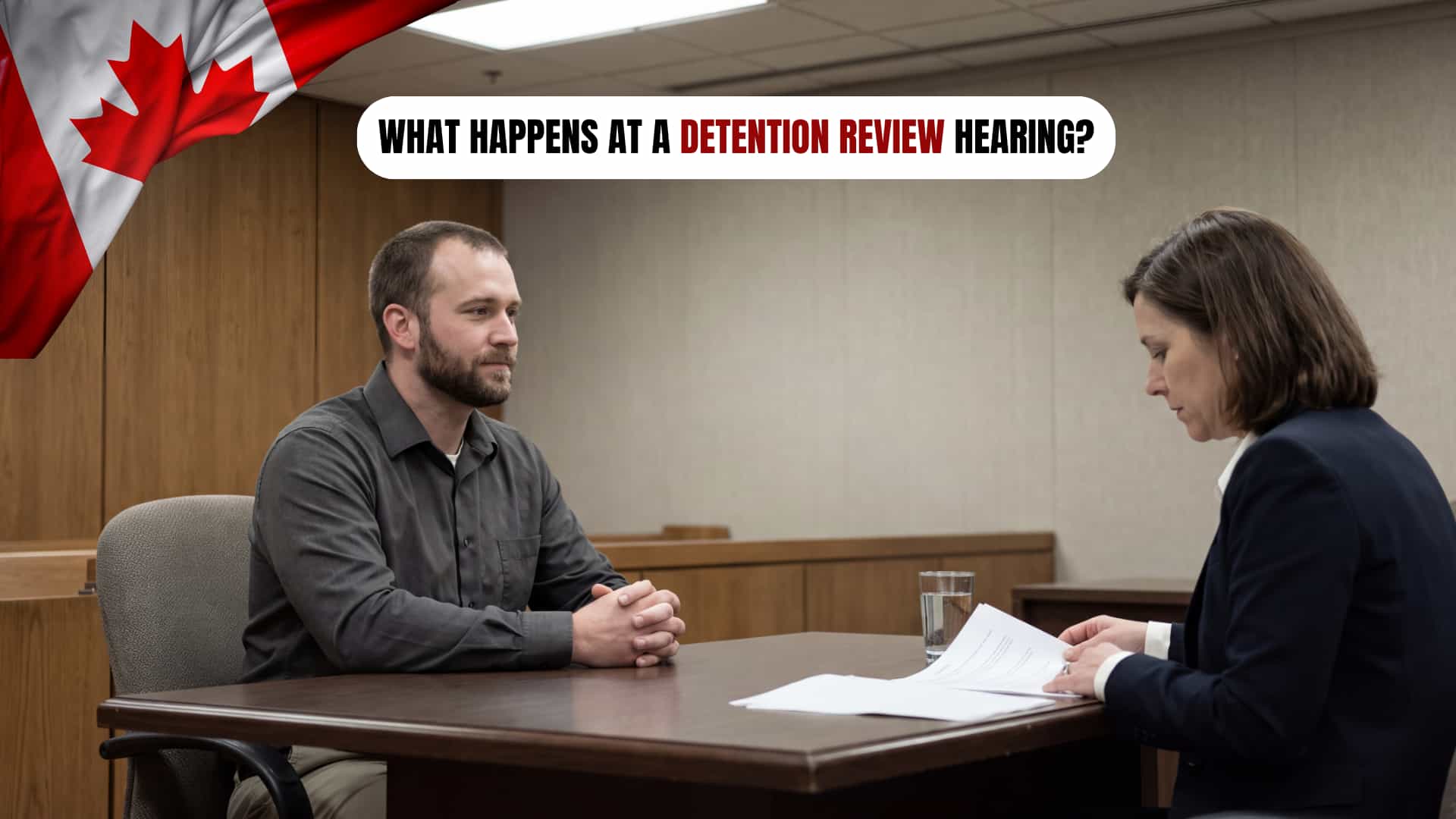
If you are detained by the Canada Border Services Agency (CBSA), Canadian immigration law requires the detention to be reviewed by the Immigration Division of the Immigration and Refugee Board (IRB) within prescribed timelines . At each detention review hearing, the Immigration Division decides if there is a valid reason to keep the individual in custody or whether the individual should be released. Understanding this process can help you prepare for the hearing and protect your rights in a better way.
Why Does CBSA Detain People?
CBSA can detain a foreign national or permanent resident under the Immigration and Refugee Protection Act (IRPA) for several reasons, including:
- Flight risk: CBSA believes the person may not come back for future immigration appointments or may avoid being removed from Canada.
- Identity concerns: The identity of the person cannot be confirmed.
- Danger to the public: CBSA believes that the person could be a risk to other people living in Canada.
- Ongoing examination: CBSA needs more time to complete an admissibility investigation.
A person may be detained at a port of entry, during an immigration enforcement action in Canada, or after a removal order is issued.
How Long Can CBSA Detain You in Canada?
Whenever somebody gets detained, the most common question asked by their families is about the timeframe of CBSA detection. There is no fixed maximum time limit on immigration detention in Canada. However, the law requires regular independent reviews:
- First review: within 48 hours of detention.
- Second review: within 7 days of the first review.
- Subsequent reviews: every 30 days after that, for as long as detention continues.
You or your representative can ask for an earlier detention review if there is new information that could affect your case. The request must be made in writing and sent to the Immigration Division, with a copy provided to CBSA. If someone has been detained for a long time, the Immigration Division will take a closer look to decide whether the detention should continue.
What Happens at a Detention Review Hearing in Canada?
A detention review is a formal hearing held by an independent member of the Immigration Division. It is not a criminal court, but the decision is still very important. Here is what usually happens:
- CBSA presents its case. A Hearings Officer represents CBSA and explains why the detention began and why it should continue. This may include concerns about flight risk, unconfirmed identity, or public safety.
- The detained individual, usually with the help of an immigration lawyer or licensed consultant, has the opportunity to respond to CBSA’s arguments, submit evidence, and explain why they should be released.
- Alternatives to detention are considered. The ID member must consider whether release with conditions would address CBSA’s concerns. Common alternatives include:
- A bondsperson who guarantees the person’s compliance
- A cash or performance deposit
- Regular reporting to a CBSA office
- Electronic monitoring or curfews in some cases
- The member issues a decision. The ID member can order release (with or without conditions) or continued detention. If detention continues, another review is automatically scheduled.
Factors the Immigration Division Considers
At every stage, the ID member must weigh several factors before deciding on release or continued detention, including:
- The reason detention was ordered in the first place
- The length of time already spent in detention
- Whether there are reasonable alternatives to detention
- The best interests of any children affected
- Any past history of non-compliance with immigration conditions
CBSA must explain why the person should remain in detention. The detained person does not have to prove they should be released.
Why Legal Representation Matters?
The first detention review takes place within 48 hours and can have a major impact on the rest of the case. Having an experienced immigration representative can make a significant difference by:
- Identifying a strong bondsperson before the hearing
- Preparing evidence around identity, ties to Canada, and compliance history
- Arguing effectively for release conditions instead of continued detention
- Ensuring procedural fairness throughout the process
It is always recommended to get help from professional immigration consultants because they have the knowledge and plan to carry on the case. So don’t waste time, contact professionals to secure your case ASAP!
Conclusion
Canadian Immigration law requires regular detention reviews to protect your rights. The first review takes place within 48 hours and can play an important role in the outcome of your case. If you or your family member has been detained by CBSA, seek legal advice as soon as possible. An experienced immigration representative can explain your options and help you prepare the strongest possible case for release.